About Dive in Korean
Dive in Korean exists to answer the questions Korean learners actually ask — from “what does oppa mean?” to “when do I use 은/는 instead of 이/가?” — in plain English, with real examples.
Most dictionary translations fail Korean learners, because in Korean, who is speaking, to whom, and in what situation matters as much as the meaning itself. Every page here explains that context: the relationship, the politeness level, and the mistakes learners commonly make.
Who runs this site
Dive in Korean is run by two native Korean speakers who write under the pen names Jun and Jin. We grew up speaking Korean and now explain it in English, so you understand what Koreans actually mean — not just what a dictionary says. We keep our real names and photos off the site; the pen names are how we sign our work. We don’t split the job: the two of us write and review every page together, and every page is signed by both of us.
Jun · Co-author
Native Korean speaker. Writes and reviews every page together with Jin — the explanations, the example sentences, and the notes on who says what to whom.
Jin · Co-author
Native Korean speaker. Writes and reviews every page together with Jun — checking that the examples sound like real Korean, the politeness level fits the situation, and the cultural notes are accurate.
What you won’t find anywhere else
- Native handwriting. Hangul letters, words and phrases written by hand by a native speaker, so you see how Koreans really write — not only how fonts look.
- Photos we took ourselves in Seoul — bus stops, signs and landmarks, with faces and license plates blurred before publishing (see riding the bus in Seoul).
- Printable PDFs, such as the handwritten Hangul chart, made from our own handwriting.
- 8 free tools built for this site — a level check, Hangul reading and typing practice, a Korean age calculator and more (all tools).
- Our own search data. We choose and update topics based on the questions learners actually search for when they land on this site, so pages answer the question people really have.
A look at what we make
A few of the photos we took around Seoul and the Korean we wrote by hand — each one is from a lesson on this site. Faces, license plates and phone numbers are blurred before anything is published.
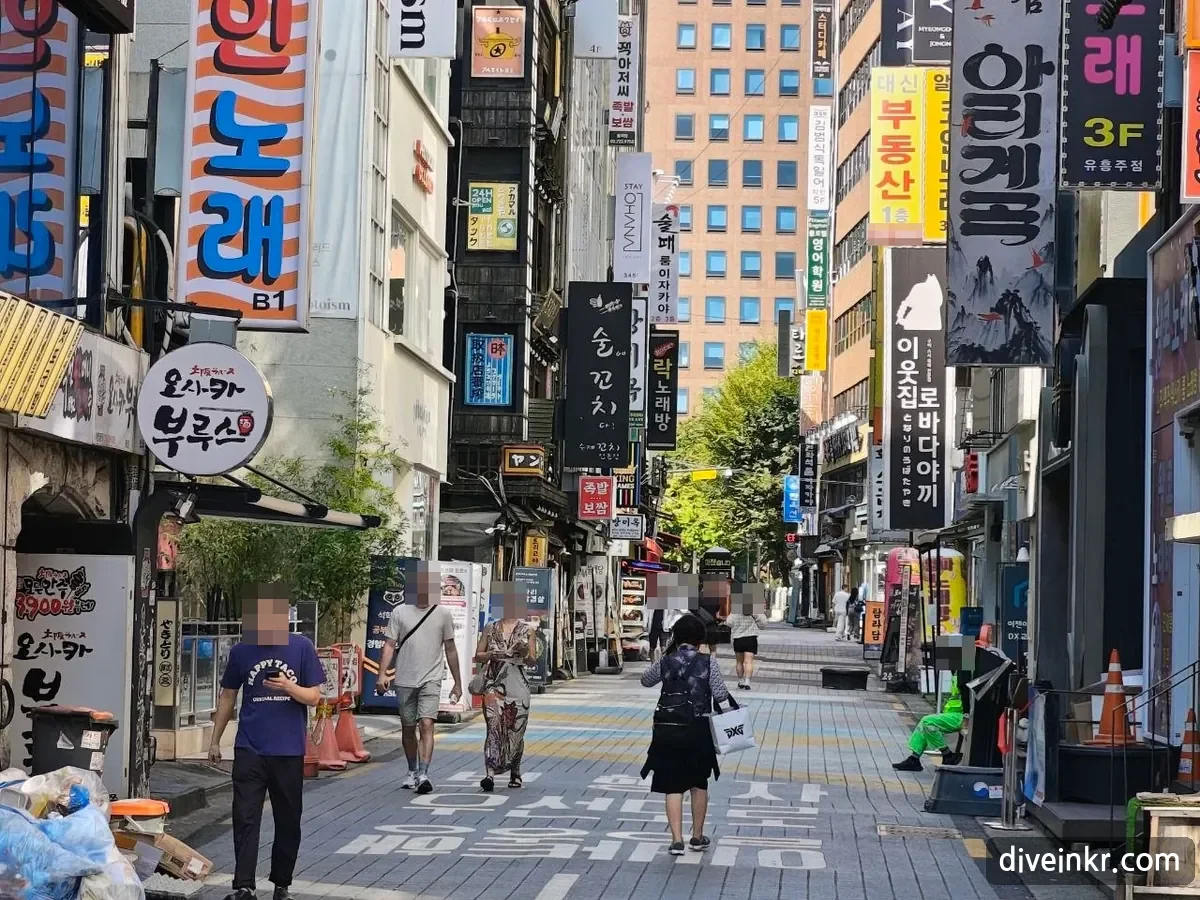 Shop signs in Jongno → Reading street signs
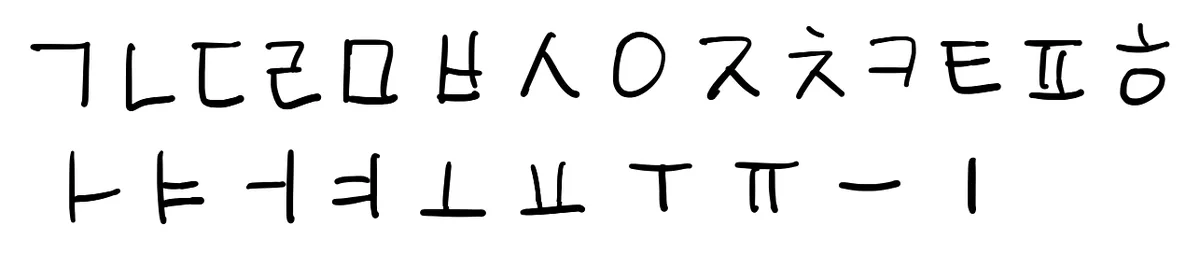 Hangul by hand → The Korean alphabet
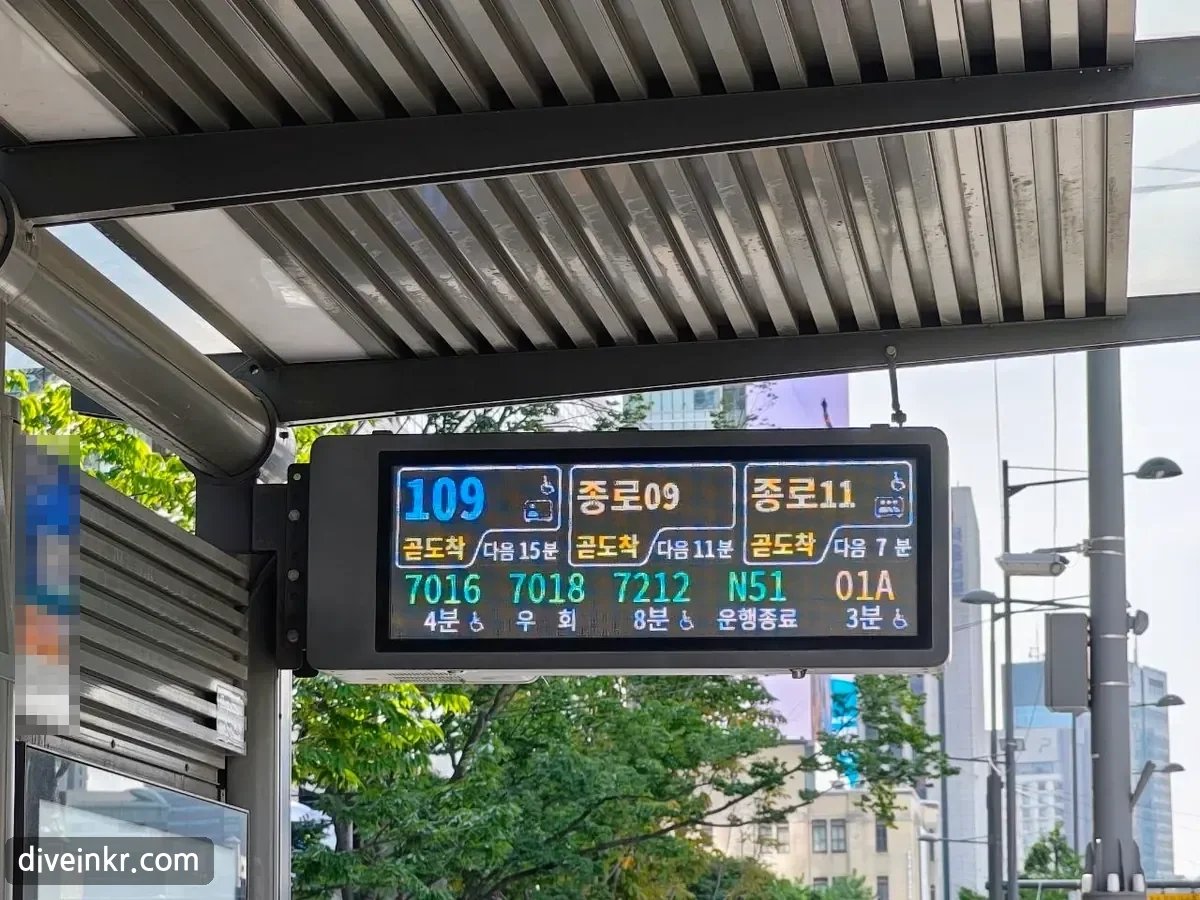 A bus arrival board → Riding a bus in Seoul
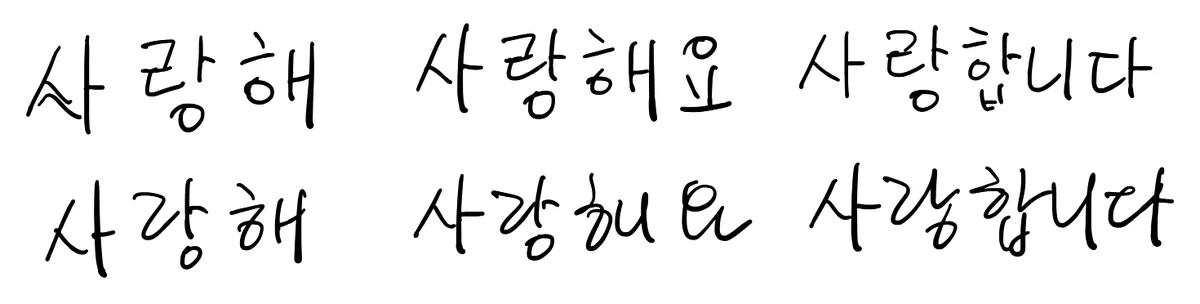 사랑해 three ways → What saranghae means
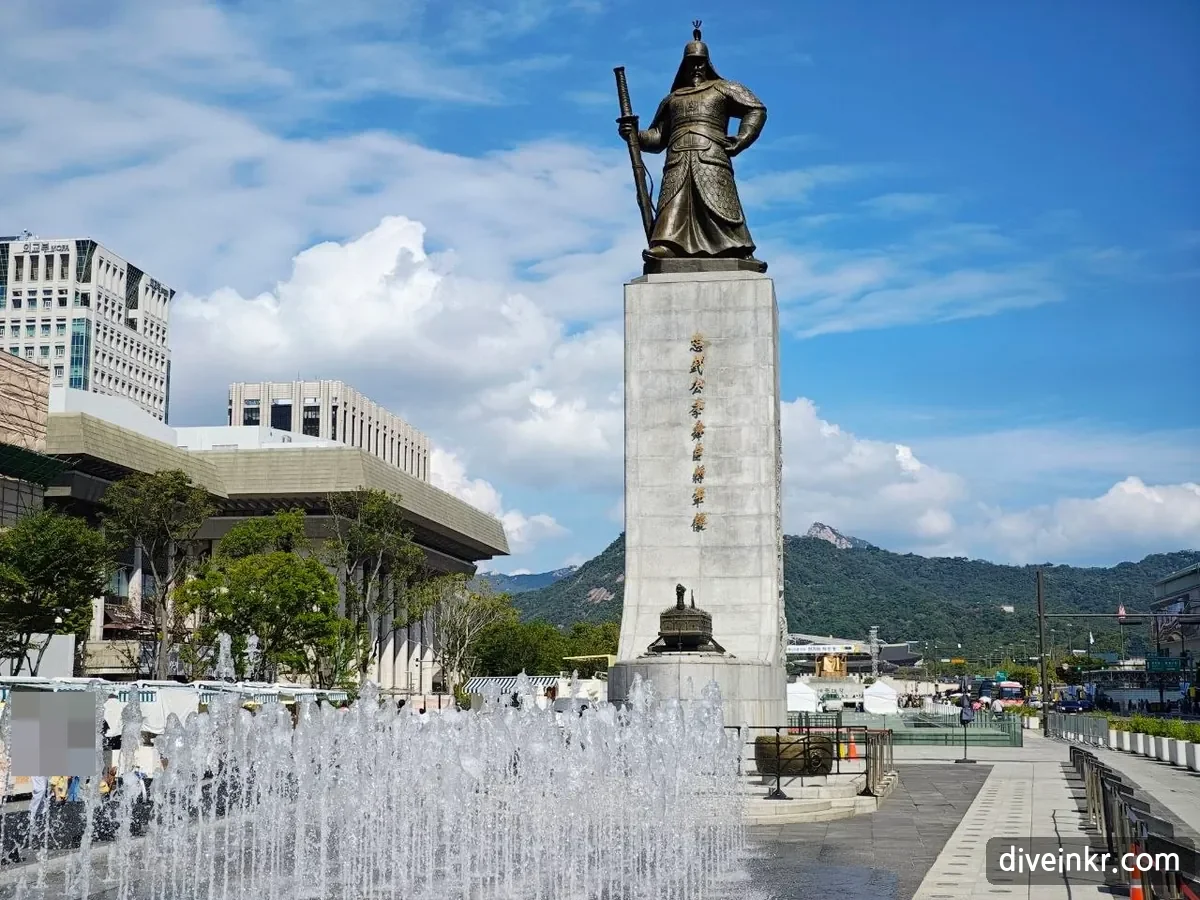 Admiral Yi's statue → Gwanghwamun Square
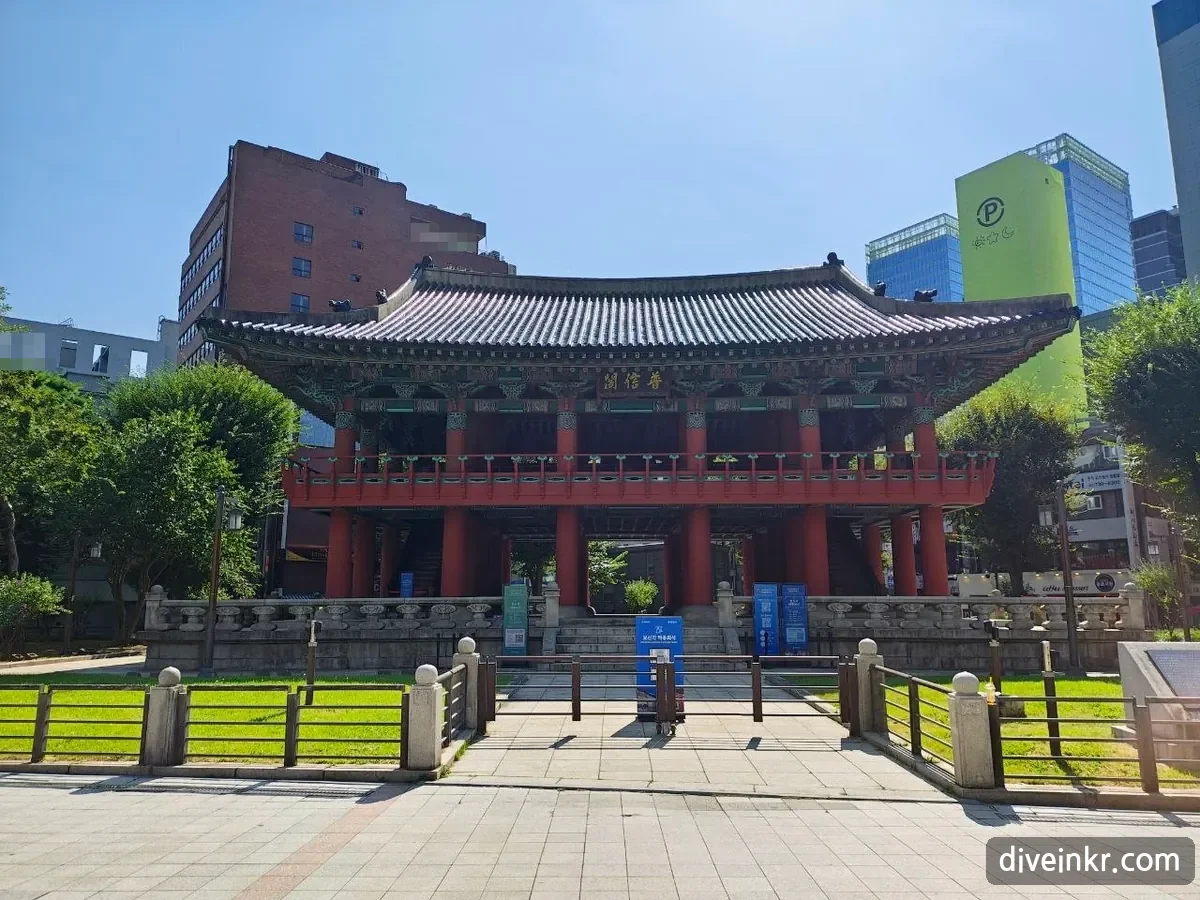 Bosingak bell pavilion → A walk through Jongno
How pages are made and checked
Every page opens with a short, direct answer, then goes deeper: real example sentences with romanization and translation, the situations where a word fits, and the mistakes learners actually make. Before a page is published it is reviewed for accuracy, naturalness, context, cultural accuracy and clarity.
Jun and Jin choose every topic, bring the native-speaker judgment and approve every page. We use AI as an assistant for research, organizing material, editing, checking for gaps and the technical side of the website — nothing it produces is published as-is. Each page shows when it was first published and when its content last changed. The full process is in our editorial policy.
Facts and sources
How natural a phrase sounds, and who would say it to whom, comes from native-speaker judgment. Checkable facts — fares, dates, laws, statistics and dictionary definitions — are confirmed against official sources such as Korean government and public institutions and the National Institute of Korean Language. If sources are unclear or disagree, we leave the fact out. We are adding links to those sources on the pages themselves, in a short “Sources” list next to the facts they support.
Contact and corrections
The site is free to use, with no signup and no app install. Found a mistake, or have a question you’d like us to cover? Email contact@diveinkr.com or use the contact page. Corrections come before new content.